Pest Control Services for Cockroach Problems in Urban Homes
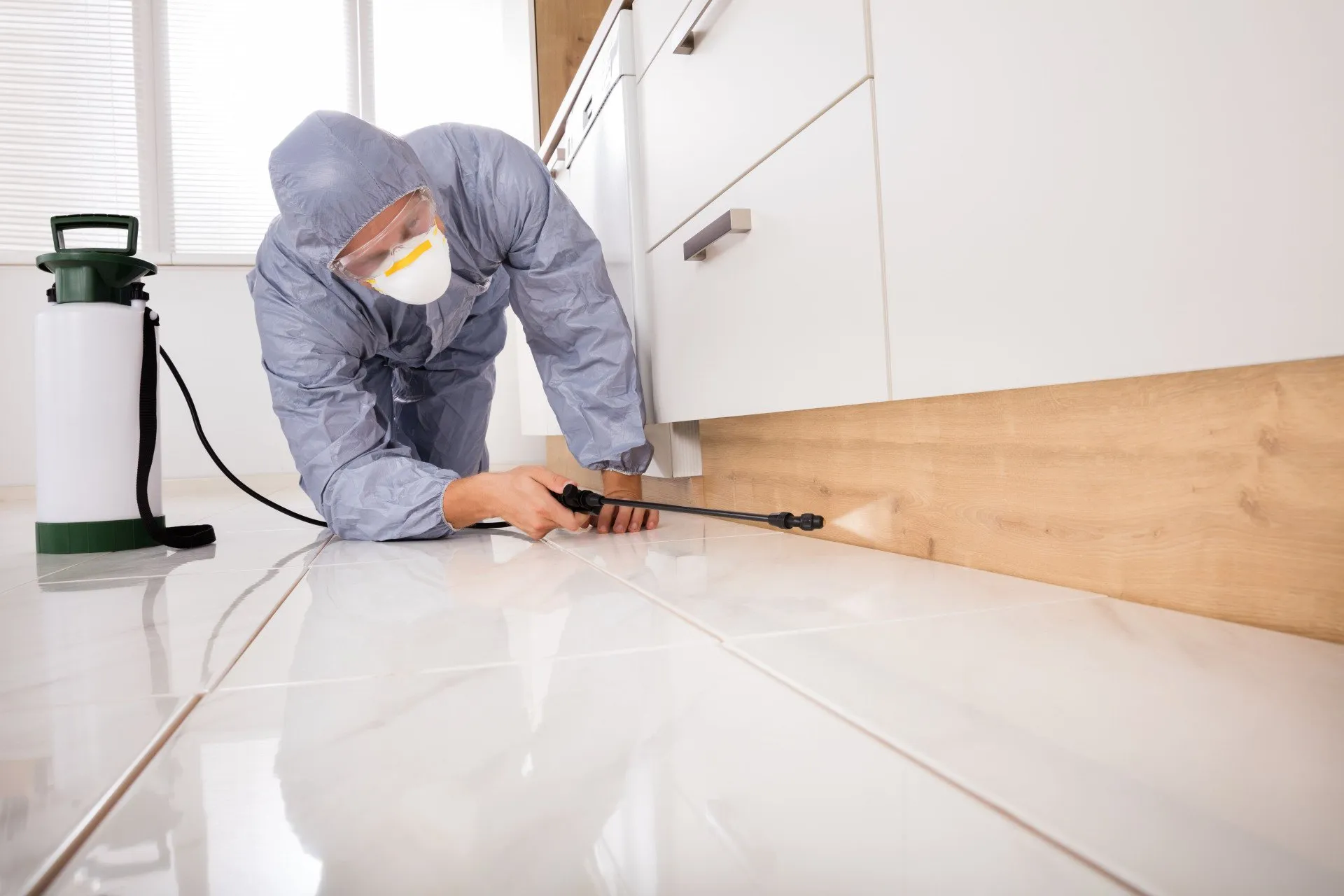

Cockroaches thrive where people live close together, move frequently, and share walls, pipes, trash systems, and utility lines. That makes urban housing especially vulnerable. A single apartment with a moisture issue or an overlooked food source can become the starting point for a problem that spreads through an entire floor. By the time a resident sees roaches in daylight, the infestation is usually well established.
This is where professional Pest Control Services earn their value. Cockroach control in a city home is rarely about spraying a few baseboards and hoping for the best. It requires inspection, species identification, a realistic treatment plan, and a clear understanding of how buildings behave. Roaches do not respect lease lines. They move through plumbing chases, behind kitchen cabinets, under door sweeps, and around warm appliances. Good control work accounts for all of that.
Many homeowners and tenants wait too long to call because they assume cockroaches are just a housekeeping issue. In practice, that is only part of the picture, and sometimes not the main part at all. I have seen spotless condominiums with active German cockroach populations because the neighboring unit had a heavy infestation and the building shared utility openings behind every sink wall. I have also seen older walk-up apartments where repeated do-it-yourself fogging made the situation worse by scattering insects deeper into the structure. Urban cockroach problems are often building problems before they are personal ones.
Why cockroaches are so persistent in city homes
Cities give cockroaches what they need in tight concentration: heat, water, shelter, and regular access to food. Kitchens, bathrooms, boiler rooms, laundry areas, trash rooms, and basement storage all create ideal conditions. In high-density buildings, even if one resident does everything right, insects can still move in from adjacent units.
German cockroaches are the species professionals encounter most often indoors in urban settings. They reproduce quickly, prefer warm interior spaces, and tend to stay close to food and moisture. A small introduction can grow fast. Brown-banded cockroaches are less tied to moisture and may hide in upper cabinets, electronics, and furniture. American cockroaches are larger and more common in basements, sewers, and lower levels, though they can still enter living spaces. Species matters because treatment placement, monitoring, and follow-up all depend on how that roach behaves.
A common mistake is treating every sighting as if it were random. Roaches are not random. Their patterns tell a story. Seeing tiny nymphs under the sink points to breeding nearby. Finding larger roaches near a floor drain may suggest a different source. Spotting them in daylight usually means harborages are crowded enough that some insects are being pushed into the open. Professionals read those signs, and that is often the difference between temporary relief and real control.
What a good cockroach inspection looks like
A proper visit starts well before any product comes out. The best technicians spend time asking where activity has been seen, at what times, and under what conditions. They check kitchens first, especially the spaces most residents rarely inspect: the void behind the refrigerator, the compressor tray, the hinge side of lower cabinets, the gap where plumbing enters the wall, the underside of sinks, and the seam between countertop and backsplash. Bathrooms come next, then laundry areas, hot water heater closets, utility penetrations, and any room where residents eat regularly.
Inspection is also about understanding the building. Is this a detached home, a duplex, a tower with stacked kitchens, or an older brick building with uneven floors and wall voids? Are there trash chutes? Shared laundry rooms? Basement storage lockers? Has a recent renovation created hidden voids around new cabinets or drywall? These details influence treatment more than many people realize.
A technician with experience will also look for the conditions that support infestations. Water leaks are often more important than crumbs. A slow drip beneath a kitchen sink can sustain a population for weeks. Grease buildup around stove legs, pet food left out overnight, cluttered drawer spaces, and cardboard storage all add to the problem. None of those conditions excuse the infestation, but they explain why it persists.
In apartment settings, the inspection should include a frank discussion about neighboring units and common areas. If management is unwilling to inspect surrounding apartments, treatment can still help, but expectations need to be realistic. A resident can eliminate activity inside one unit and still see reinvasion if the source next door remains active.
Why store-bought treatments often fail
Most residents try something before they call. That is understandable. The trouble is that many retail products are poorly matched to the job. Aerosol sprays kill visible insects, which feels satisfying in the moment, but they often do little to reach hidden breeding sites. Foggers are even worse for cockroach work in most urban homes. They disperse insecticide into open air, while the insects remain tucked into cracks, hinges, voids, and appliance compartments. Worse, repellent products can push roaches deeper into walls or into neighboring units, making the population harder to map and control.
Glue traps from a hardware store can be useful as monitors, but they are not a stand-alone solution. Boric acid can help when it is applied correctly, lightly, and in places where it stays dry and undisturbed. In practice, many people overapply dusts, leaving visible piles that insects avoid. Others spray over bait placements, contaminating the very products designed to be eaten.
One of the more difficult jobs I have seen involved a small city apartment where the resident had used three different over-the-counter sprays, peppermint oil, and two foggers over a month. By the time a professional arrived, the roaches had shifted from predictable kitchen harborages into the living room shelving and the motor housing of a microwave. The eventual control plan worked, but it took longer than it should have because the population had been pressured to scatter.
What professional treatment actually involves
Professional cockroach control is usually a combination of targeted baiting, crack-and-crevice treatment, insect growth regulators where appropriate, monitoring, and sanitation guidance. It is not usually a single dramatic application. The strongest programs are quiet, methodical, and designed to exploit cockroach behavior.
Gel baits remain one of the most effective tools for many indoor infestations, especially German cockroaches. They are placed in small, precise amounts near harborages, travel paths, cabinet hinges, plumbing penetrations, and appliance voids. Placement matters more than quantity. A well-placed series of bait spots behind a refrigerator and under the sink will outperform a random heavy application on exposed surfaces. Roaches must encounter and consume the bait without being repelled by other products nearby.
Insect growth regulators can interrupt development and reproduction, which is valuable in heavy or persistent infestations. Non-repellent residual products may also be used in cracks and voids, depending on the site and the label. Dust formulations can be effective inside wall voids, under toe-kicks, and around certain utility openings when applied properly. The word is properly. Too much dust becomes visible and useless. Too little in the wrong place changes nothing.
A competent technician will also set monitors to measure activity over time. This matters because impressions can be misleading. Residents often feel the infestation is getting worse right after treatment because disturbed roaches may emerge briefly before the population drops. Trap counts and inspection findings give a more reliable picture than anxiety alone.
The steps that make the biggest difference between visits
Residents do not need a perfect home for Pest Control Services to work, but cooperation changes the outcome. The goal is not sterile living. The goal is to reduce easy access to food, water, and shelter while allowing treatment materials to do their job.
Here are the resident actions that have the biggest payoff:
- Fix water sources quickly, especially sink drips, sweating pipes, and leaks under dishwashers or refrigerators.
- Store food in sealed containers and avoid leaving pet food out overnight.
- Reduce clutter in kitchens and bathrooms, particularly cardboard, paper bags, and packed drawers.
- Clean grease and crumbs from the areas people miss, including under appliances and cabinet corners.
- Follow preparation instructions exactly, and do not apply extra sprays over professional bait placements.
That last point deserves emphasis. Well-meaning residents can undo good treatment by using household aerosol products between service visits. Roaches are highly sensitive to contamination around bait placements. If a technician says not to spray, there is a reason.
Apartments, condos, and rentals have their own challenges
Urban pest work becomes more complicated when responsibility is shared. In a detached home, the treatment boundary is relatively clear. In a multi-unit property, the line between unit-specific activity and building-wide infestation is often blurred. A tenant may be doing everything possible while management delays service in adjacent units. In condos, one owner may cooperate while another refuses entry. In older apartment stock, access panels are missing, plumbing holes are unsealed, and cabinets were installed over existing infestations years earlier.
This is why the best cockroach programs in urban housing involve coordination. Property managers should think in terms of building health, not isolated complaints. If one kitchen stack in a mid-rise shows repeated German cockroach activity, the surrounding units above, below, and beside should be inspected. Treating a single apartment again and again while ignoring the stack usually wastes time and money.
Residents should document what they see, including date, time, and location. That record helps technicians identify patterns and helps management understand that the issue is not occasional. A photo of five small nymphs under the sink at 7 a.m. Says more than a vague note that bugs were seen sometime last week.
Health concerns are not just about annoyance
People often speak about cockroaches as if the main problem is disgust. That is understandable, but it understates the issue. Roaches contaminate surfaces and food-contact areas as they move through kitchens, drains, trash zones, and hidden structural voids. Their droppings, shed skins, and body fragments can contribute to poor indoor hygiene and may aggravate respiratory sensitivity in some occupants, especially in crowded housing where infestations are chronic.
Families with infants, older adults, or people managing asthma tend to feel the pressure more acutely. In those homes, delayed treatment is not a minor inconvenience. It changes how people cook, sleep, store groceries, and use shared spaces. I have seen residents avoid turning on the kitchen light at night because they knew what they would find. That level of stress wears people down quickly, and it is one reason fast, organized action matters.
How long does professional cockroach control take?
Everyone wants a simple answer, but time depends on species, infestation level, building conditions, and cooperation from occupants or management. In a mild problem caught early, noticeable improvement may come within days, with control established over several weeks and one or two follow-up visits. In a heavier German cockroach infestation in a dense apartment building, a realistic timeline is often longer. The visible population may drop significantly in two to four weeks, while full stabilization takes a month or more, especially if neighboring units are involved.
A good provider will not promise instant eradication in every case. That is usually a red flag. Cockroach work requires follow-up because eggs hatch, hidden harborages get discovered over time, and reinvasion pressure may remain. Professionals who are honest about the timeline tend to do better work because they are managing the biology of the pest, not selling a fantasy.
Choosing between one-time service and an ongoing plan
For detached urban homes with an isolated issue, a one-time intensive treatment plus follow-up may be enough. In multi-unit housing, recurring service often makes more sense. Ongoing plans allow technicians to monitor trap counts, refresh bait placements, inspect new problem areas, and respond before a small resurgence becomes a full infestation again.
There is also a practical budgeting issue. Residents sometimes hesitate at the cost of repeat service, but repeated failed do-it-yourself attempts can quietly cost more. Store sprays, foggers, replacement food, extra cleaning supplies, damaged small appliances, and time lost to ongoing stress add up. When measured over several months, a structured professional program is often the cheaper path.
The best question is not whether the service is the lowest price. It is whether the company is treating the actual problem. Ask how they inspect, what methods they rely on, whether they use monitors, how they handle neighboring-unit concerns, what preparation they require, and what their follow-up schedule looks like. If the answer is just “we spray,” keep looking.
What to expect on treatment day
Residents are often uneasy because they do not know what the visit will involve. In most cases, preparation is straightforward but specific. Kitchen and bathroom cabinets may need to be partially emptied. Access to the sink base, behind the refrigerator, around the stove, and under bathroom vanities is often necessary. Excess clutter should be moved so the technician can inspect cracks, corners, and utility entries. Food and utensils may need to be covered or put away depending on the treatment plan.
The appointment itself is usually less disruptive than people expect. Much of the work is careful placement rather than broad application. A professional may spend more time inspecting, opening access points, placing bait, and setting monitors than applying any liquid product. That is usually a good sign. Cockroach jobs reward precision.
A strong technician will also explain what residents may see afterward. Some increased sightings can occur initially as insects contact treatment zones or leave stressed harborages. That should taper, not continue unchecked. If activity remains flat after a reasonable period, the plan needs review. Good companies adjust. They do not simply repeat the same application without rethinking the source.
Prevention after the infestation is under control
Once a home is stabilized, prevention becomes far easier than active control. Sealing gaps around plumbing helps, especially where pipes enter under sinks. Door sweeps reduce hallway migration in apartment buildings. Routine checks behind refrigerators and under sinks catch early warning signs. Dry goods should stay sealed, and cardboard should not become long-term kitchen storage.
Prevention is also seasonal in some cities. Larger roaches may move more in warm, wet periods, while German cockroach pressure tends to reflect interior conditions year-round. Residents in older buildings should pay attention after renovations, plumbing work, or tenant turnover next door. Those are common times for activity to shift.
For building owners and managers, prevention means more than reacting to complaints. Regular common-area inspections, leak repair, trash-room sanitation, and quick response to early reports are far cheaper than waiting for a major spread. Urban cockroach problems are rarely solved by neglect.
When it is time to call immediately
Some situations do not justify waiting. A few signs should move a homeowner or tenant straight to professional help:
- Roaches are seen during the day, especially in kitchens or bathrooms.
- Small nymphs are present, which usually means breeding is happening indoors.
- Activity continues after several careful cleaning efforts or retail treatments.
- Neighbors have reported similar problems in the same building.
- The home includes infants, medically vulnerable residents, or anyone with respiratory sensitivity.
Early intervention changes the math. It shortens treatment time, reduces contamination, and limits the chance of spread https://www.podbean.com/user-XMYdeKHaNu5K into furniture, electronics, and adjacent units.
The value of getting the diagnosis right
Cockroach control in urban homes is not mainly about using more chemical product. It is about understanding where the insects are living, why they are surviving, and how the building supports them. That is why skilled Pest Control Services are worth considering early rather than late. A trained professional sees patterns that are easy to miss from inside daily life: the drip behind the cabinet, the warm void behind the dishwasher, the unsealed plumbing chase that connects three kitchens, the bait contamination from a household spray, the evidence that the source is likely next door.
When treatment is tailored to the species, the layout, and the building context, results are usually steady and measurable. The home becomes easier to manage. Sightings decline. Stress drops. Cleaning starts to feel normal again instead of defensive. That is the real goal, not just killing the next insect that runs across the counter, but restoring control over the space people live in every day.
Affordable Pest Solutions LLC
Phone number: +19732299547
FAQ About Pest Control Services
How much does pest control charge?
For a standard 1,500-square-foot home, professional pest control charges generally average $100 to $300 for an initial visit, with ongoing monthly services running $40 to $75 per visit and one-time emergency exterminations costing $100 to $600, depending heavily on the specific pest and the severity of the infestation.
What is the hardest pest to get rid of?
Bed bugs are widely considered the hardest household pest to get rid of, closely followed by German cockroaches and subterranean termites.
What is included in a pest control service?
A standard pest control service includes a property inspection, targeted treatments, and prevention advice. It typically covers common pests like ants, spiders, and cockroaches, using sprays, baits, or traps.