Pest Control Services That Focus on Prevention First
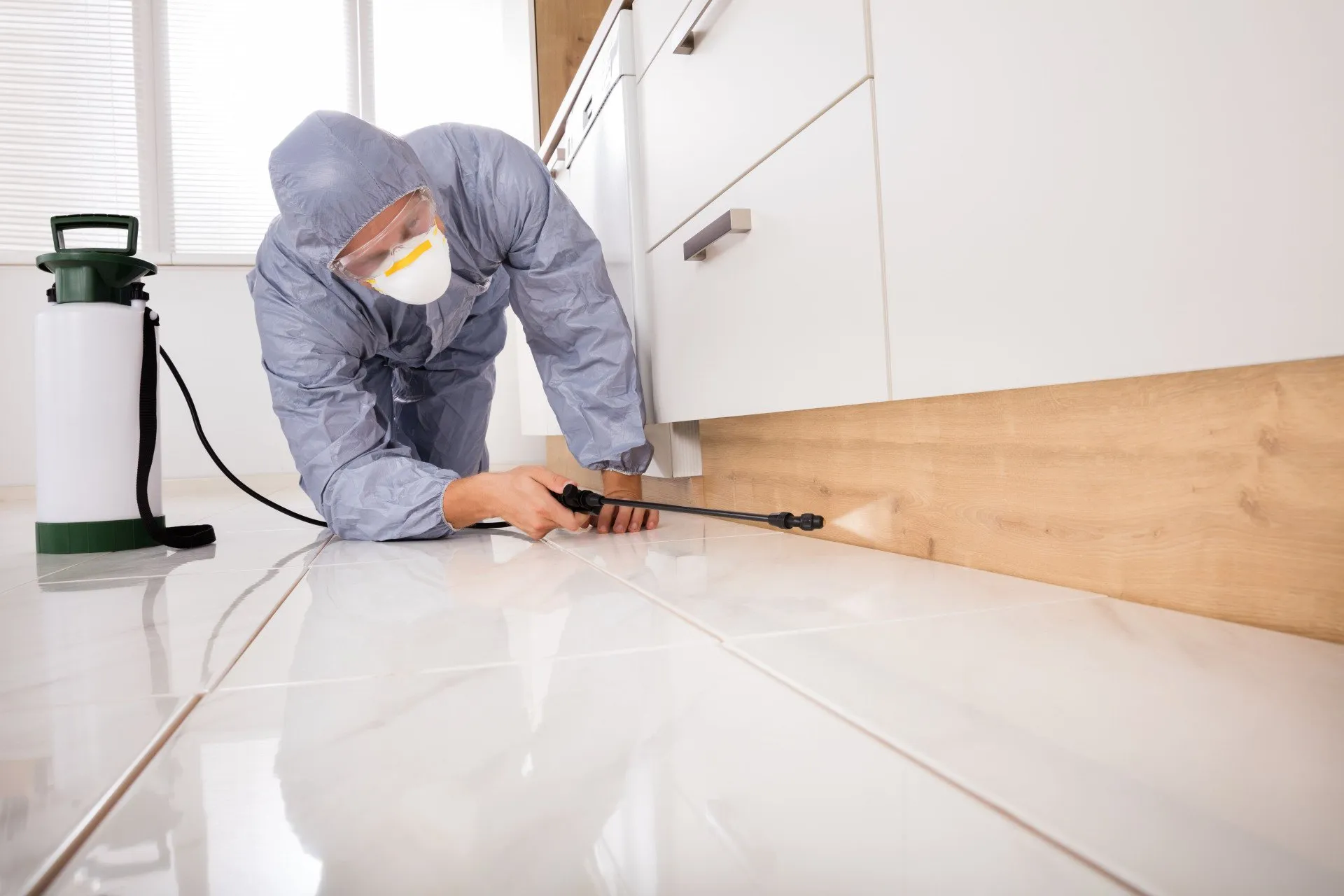
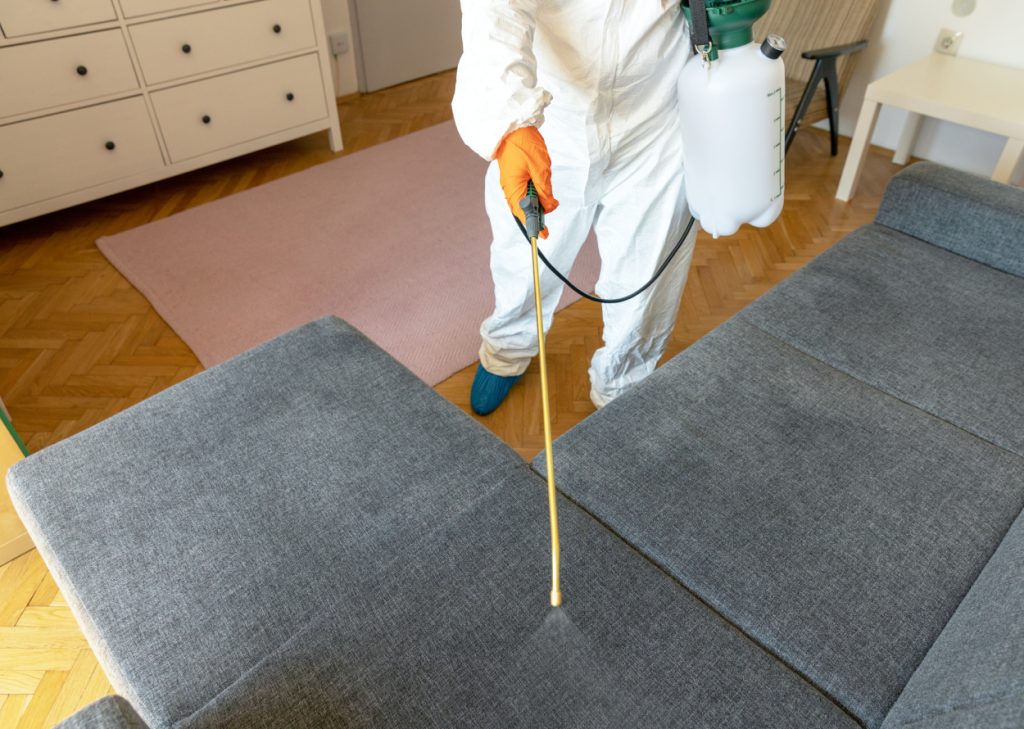

When people think about pest problems, they usually picture the moment things become visible. Ants trailing across a kitchen counter. Rodents scratching in the wall after midnight. Wasps circling a soffit over the garage. By the time a homeowner or property manager makes that call, the pests have already found what they need, shelter, moisture, food, or a hidden route indoors.
That timing matters. The most effective Pest Control Services are not built around reacting to visible activity alone. They are built around reducing the conditions that made the infestation possible in the first place. Prevention-first service is less dramatic than an emergency treatment, but it is usually more valuable, more durable, and often less expensive over time.
This approach also reflects how pest pressure actually works in the field. Pests are opportunistic. They do not appear at random. They exploit gaps around utility lines, cluttered storage, poor drainage, ripped door sweeps, overwatered landscaping, standing grease in a dumpster enclosure, pet food left overnight, and dozens of other small weaknesses that rarely seem urgent until they connect into a larger problem.
A prevention-first company understands that pest control is not just about product selection. It is about inspection, building science, sanitation, moisture management, habitat reduction, and timing. The best technicians think like detectives and maintenance advisors as much as applicators.
Why prevention changes the outcome
A reactive treatment can knock down an active population. Sometimes that is necessary. If German cockroaches are established in a multifamily unit, or if mice are nesting behind pantry shelving, immediate control measures cannot wait. But if service stops there, the conditions that supported the infestation remain in place. The pests return, or another species takes advantage of the same access point.
Prevention changes the job from repeated suppression to long-term management. That shift affects both results and expectations. Instead of asking, “How fast can you kill what I see?” a prevention-focused provider asks, “Why are they here, how are they getting in, and what can be changed so this site becomes less attractive next month and next season?”
In practice, this often means the first visit looks different from what many customers expect. A good technician may spend more time inspecting than treating. They may pull back a storage bin, check attic vents, look at irrigation overspray against the foundation, inspect weatherstripping at the back door, or note that mulch is piled too high against siding. To a customer hoping for a quick spray, that can look slower. In reality, it is smarter.
I have seen properties where owners had paid for repeated treatments every few weeks with little improvement, only to learn that the real issue was a broken crawlspace vent, damp cardboard stored against a wall, or tree limbs resting on the roofline. No amount of routine spraying can permanently solve a structural invitation.
What prevention-first Pest Control Services actually include
Prevention is not a marketing slogan when it is done well. It is a service model. The strongest providers usually combine treatment with inspection and correction planning. They do not assume all pests or all buildings behave the same way.
A prevention-first program typically includes these elements:
- Thorough inspection of entry points, nesting zones, moisture issues, and food sources.
- Targeted recommendations for exclusion, sanitation, storage, and landscape adjustments.
- Monitoring with follow-up based on pest pressure, season, and property type.
- Limited, precise treatment where needed, rather than broad, habitual application everywhere.
- Documentation that helps the client understand patterns over time.
Notice what is not on that list: indiscriminate overuse of pesticide. Good prevention work does not mean refusing treatment. It means treatment is one tool among several, used with purpose and context.
That distinction matters for homes with children and pets, for restaurants managing compliance, for healthcare settings, and for any client who wants effective control without unnecessary chemical exposure. It also matters operationally. A technician who treats the perimeter but never addresses the cracked vent screen behind the shrubs is not solving the whole problem.
Inspection is the real foundation
The quality of any pest control plan rises or falls on inspection. Not a quick glance, not a generic walkthrough, but a trained assessment of how the structure functions and where pest biology intersects with it.
For rodents, the inspection often starts outside. A quarter-inch gap can admit young mice. Rats use rooflines, utility runs, overgrown vegetation, and sewer pathways. Evidence may show up as rub marks, droppings, gnawing, burrows, or grease along edges. Inside, the technician should think in terms of travel paths and harborages, not only sightings.
For ants, species matters. Pavement ants, odorous house ants, carpenter ants, and fire ants call for different strategies. One of the most common mistakes in reactive service is treating all ant activity the same way. If a colony is nesting under a slab edge because a downspout keeps the soil damp, surface treatment alone will not provide lasting relief. If carpenter ants are trailing from moisture-damaged trim, then the ant issue is also a wood and water issue.
Cockroaches tell a similar story. American cockroaches often point to drains, sewer connections, or damp utility areas. German cockroaches signal indoor survival conditions, clutter, grease, warmth, inaccessible crumbs, or infested incoming items. Prevention in that setting requires coaching, cleaning, crack-and-crevice work, and persistent follow-up.
Termites are a separate category because prevention often starts before activity is visible. A technician worth hiring does not rely on fear. They look for conducive conditions, wood-to-soil contact, poor grading, leaking hose bibs, and structural vulnerabilities. Preventive termite planning can save a property owner from very expensive repairs later, especially in regions with high subterranean termite pressure.
Exclusion is where many long-term wins happen
If I had to name the most underrated part of pest management, it would be exclusion. Sealing access points lacks the immediate satisfaction of seeing dead pests, but it is often the difference between recurring service calls and genuine improvement.
Exclusion is part art, part trade knowledge. Not every gap should be sealed with the same material. Foam alone, for example, is often misused. It can fill space, but many pests can chew through it, and it degrades under some conditions. Depending on the location, a proper fix may require copper mesh, sealant, hardware cloth, door sweep replacement, vent screening, masonry repair, or threshold adjustment.
This is where prevention-first companies separate themselves from low-effort operators. They either perform minor exclusion work directly or document it clearly enough that a handyman, maintenance technician, or contractor can address it without guesswork.
One apartment building I visited had recurring mouse complaints on the same stack of units every autumn. The service history showed plenty of trap placement and repeated interior treatment. The real issue turned out to be exterior utility penetrations left oversized after telecom work years earlier. Once those openings were sealed properly and vegetation was trimmed back from the wall, complaint volume dropped sharply. The pest issue had been real, but the lasting solution was structural.
Moisture is often the hidden driver
Pests follow water more reliably than many people realize. Moisture supports insects directly and indirectly. It softens wood, encourages fungal growth, sustains harborage conditions, and keeps soil hospitable around foundations.
That is why prevention-first recommendations often sound more like maintenance advice than extermination language. Repair the dripping outdoor spigot. Clear the clogged gutter dumping near the footing. Correct the grade that sends water toward the crawlspace vent. Run the bathroom exhaust fan longer. Stop storing damp mops in a closed janitorial closet. Replace the cracked caulk at a sink where roaches are harboring behind the void.
In commercial accounts, floor drains are a common blind spot. They collect organic matter, hold moisture, and become breeding points for small flies if cleaning slips. In food service environments, I have seen managers focus hard on visible dining-room cleanliness while missing the slimy buildup under equipment casters and in hard-to-reach drain lines. A prevention-first technician notices that quickly because they know where activity begins.
Moisture management also affects spiders, silverfish, earwigs, and centipedes, all of which often increase when an environment stays damp. Some of these pests are more nuisance than hazard, but they tend to signal a broader condition that deserves attention.
Sanitation is not about blame
Customers sometimes hear the word sanitation and assume they are being judged. The better companies avoid that trap. Pest professionals know infestations happen in spotless homes and in well-managed commercial sites. A mouse can enter a clean house. A roach can arrive in a grocery bag, shipping carton, used appliance, or neighboring unit. Cleanliness alone is not a shield.
Still, sanitation shapes whether pests can settle in and expand. Prevention-first service treats sanitation as a practical variable, not a moral one. Small changes can have outsized effects. Dry goods in sealed containers. Recycling rinsed before storage. Pet bowls picked up at night when rodent pressure is high. Grease traps maintained on schedule. Linen closets kept off the floor in humid environments. Cardboard reduced in cockroach-prone storage rooms.
Good technicians explain the why behind those recommendations. People are far more likely to follow through when they understand the biology. Telling a restaurant manager to “clean better” is useless. Showing them that fly larvae are developing in residue beneath a floor sink gives them a solvable task.
Seasonal pressure changes the plan
Prevention-first service is never truly static. Pest pressure shifts with weather, region, property use, and time of year.
In spring, ants begin foraging aggressively, overwintering queens establish colonies, and termite swarmers may appear depending on climate. Summer often brings stinging insects, pantry pest activity in warmer storage, and peak fly issues around refuse areas. Autumn is rodent season in many markets because cooling temperatures drive animals toward shelter. Winter can expose hidden indoor populations, especially cockroaches and mice, because outdoor distractions decrease and indoor activity becomes more noticeable.
The strongest Pest Control Services do not simply repeat the same treatment pattern twelve months a year. They adjust inspections and preventive emphasis by season. In late summer and early fall, for example, rodent exclusion should be checked before nighttime temperatures drop. In the wet season, drainage and moisture issues deserve extra attention. In termite-prone areas, annual inspections should not be skipped just because no visible signs are present.
This seasonal mindset also improves budgeting. Preventive service plans may feel optional during quiet months, but those quiet months are often when the most important corrective work gets done.
Prevention in homes versus prevention in commercial properties
The principles overlap, but the stakes and tactics differ.
In homes, the service relationship is often personal. Homeowners want reassurance, clarity, and practical recommendations they can act on without turning their life upside down. The best residential technicians understand habits, routines, and storage realities. Telling a busy family to empty an entire garage in one weekend is rarely realistic. Advising them to move stored cardboard six inches off walls, switch bird seed to sealed bins, and address the gap under the side door is more workable and more likely to happen.
Commercial sites require a systems mindset. Restaurants, warehouses, healthcare spaces, offices, and multifamily properties each create different risk profiles. Documentation matters more. Staff turnover can undermine consistency. Deliveries bring in pest pressure. Shared walls and common utility lines complicate accountability. A prevention-first provider must communicate not just with one contact but often with managers, maintenance personnel, cleaning teams, and sometimes regulatory inspectors.
Multifamily housing is especially challenging. One unit can be impeccably maintained and still suffer because of conditions two doors down or one floor below. In those settings, prevention has to include building-wide inspection logic, resident education, coordinated access, and realistic treatment intervals. A company that treats only complaint units without looking at migration patterns is usually chasing symptoms.
What clients should ask before hiring a provider
A glossy website and a fast quote do not tell you whether a company truly prioritizes prevention. The better indicator is how they discuss the problem. If the conversation revolves only around spray frequency and product names, that is a clue. If they ask detailed questions about where activity occurs, when it started, what conditions changed, and whether moisture or entry points are involved, that is a better sign.
Ask how the initial inspection works. Ask whether exclusion recommendations are included in writing. Ask how follow-up is determined. Ask whether they monitor trends or simply perform the same route every visit. A strong provider should be comfortable describing situations where treatment alone is not enough.
It is also fair to ask about limitations. No reputable company should promise a permanently pest-free property under all conditions. That kind of language ignores biology and the realities of shared environments, weather, and human behavior. A professional answer will sound measured. They should explain what can be controlled, what must be maintained, and what level of cooperation affects success.
A useful set of questions includes:
- What conditions are you looking for during inspection besides active pests?
- How do you handle exclusion and structural recommendations?
- What monitoring or follow-up do you use to confirm the issue is improving?
- How will the service plan change by season or by pest type?
- What responsibilities remain with the property owner or manager?
Those questions quickly reveal whether a company is selling routine applications or offering actual pest management.
When treatment is still essential
A prevention-first philosophy should never be confused with passivity. There are times when direct treatment needs to happen promptly and decisively. Wasp nests near entry doors, bed bug activity, flea infestations after an indoor pet issue, active rodent populations in food handling areas, and established cockroach infestations all require focused control measures.
The difference is what comes next. Effective companies do not treat the emergency and disappear into autopilot. They stabilize the problem, then work backward to reduce the chance of recurrence. After a yellowjacket nest is removed, they inspect for attractive voids and nearby food sources. After mice are trapped indoors, they inspect the exterior envelope and utility penetrations. After a roach cleanout, they return to assess sanitation, clutter reduction, and hidden harborages.
That sequence matters because pest pressure often falls in stages. First comes reduction of the active population. Then comes interception of survivors and newcomers. Finally comes environmental correction. Skipping the last step is why some properties stay stuck in a cycle of relief followed by relapse.
The cost question, and why cheap service often becomes expensive
Preventive work sometimes costs more upfront because it involves time, inspection, documentation, and recommendations that go beyond a quick application. But cost should be measured across the life of the problem, not the first invoice.
A low-cost service that repeatedly treats visible pests without addressing entry points, drainage, or https://andywlel096.urbanvellum.com/posts/top-pest-control-services-for-a-safer-healthier-home sanitation failures can become more expensive than a better-designed program. There is also the indirect cost of recurring problems, damaged food, failed audits, tenant dissatisfaction, structural repairs, and the simple stress of never feeling the issue is fully under control.
For businesses, prevention often protects revenue and reputation. For homeowners, it protects comfort and property condition. A small investment in door sweeps, vent screens, storage changes, and moisture repair can prevent months or years of recurring nuisance.
That is one reason experienced technicians often sound like practical advisors. They have seen which fixes pay off. They know that ten minutes spent showing a client the daylight under a garage side door may matter more than another routine perimeter spray.
What good results usually look like
The most realistic sign of a strong prevention-based program is not always immediate silence. Sometimes it is a clear downward trend supported by evidence. Fewer sightings. Reduced trap activity. No fresh droppings. No new entry at monitors. Lower complaint volume across a building. Seasonal spikes that are smaller and shorter than before. Better client awareness of what to report and what to fix.
That kind of progress is durable because it is rooted in cause, not only symptom. It also builds trust. Clients feel the difference when a technician remembers prior problem areas, notices a new landscaping change, checks whether a recommended repair was completed, and explains what they are seeing in plain terms.
The best Pest Control Services understand something simple that is easy to overlook: pests are part of the environment, and control is strongest when the environment is managed intelligently. Prevention first is not slower pest control. It is more disciplined pest control. It respects biology, property conditions, and the fact that the cheapest fix is often the one that keeps the next infestation from starting at all.
Affordable Pest Solutions LLC
Phone number: +19732299547
FAQ About Pest Control Services
How much does pest control charge?
For a standard 1,500-square-foot home, professional pest control charges generally average $100 to $300 for an initial visit, with ongoing monthly services running $40 to $75 per visit and one-time emergency exterminations costing $100 to $600, depending heavily on the specific pest and the severity of the infestation.
What is the hardest pest to get rid of?
Bed bugs are widely considered the hardest household pest to get rid of, closely followed by German cockroaches and subterranean termites.
What is included in a pest control service?
A standard pest control service includes a property inspection, targeted treatments, and prevention advice. It typically covers common pests like ants, spiders, and cockroaches, using sprays, baits, or traps.